86-0573-88960598 / Sales & Service Support
Email:fuluo@jxfuluo.com
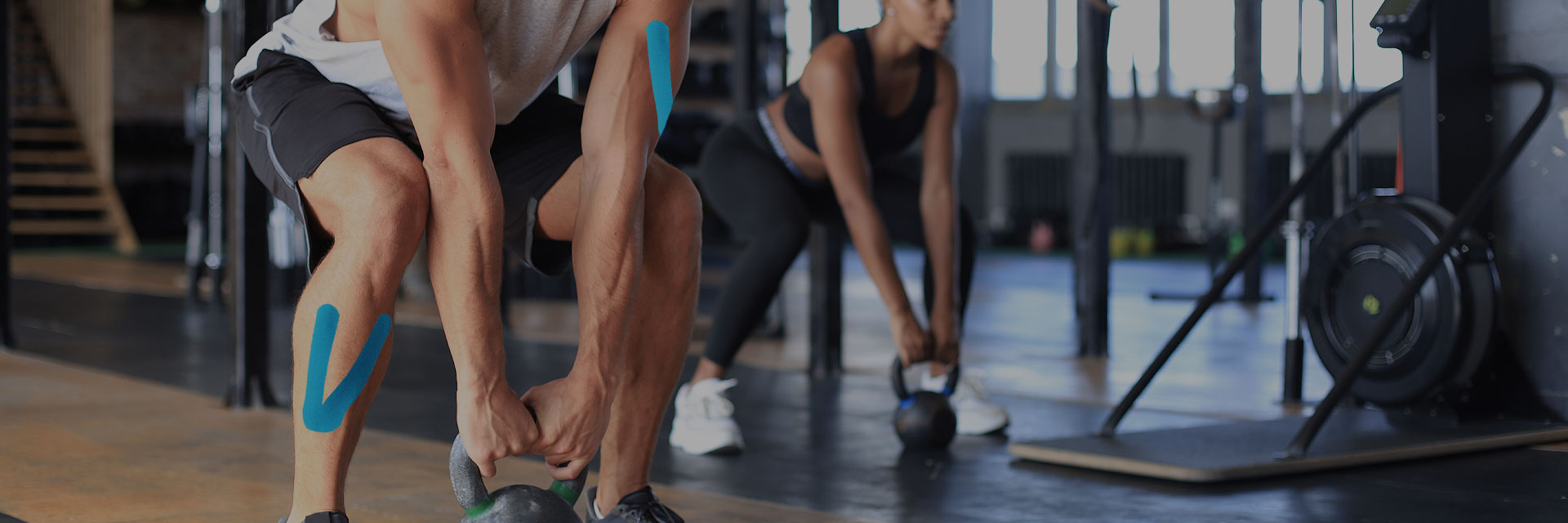
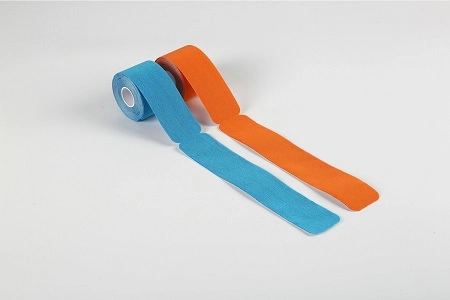
Kinesiology tape has become a staple in sports medicine, physical therapy, and rehabilitation due to its ability to support muscles, joints, and tendons while allowing a full range of motion. Among the various types of kinesiology tape available, rayon-based kinesiology tape has gained popularity for its specific mechanical properties, comfort, and therapeutic benefits.
Rayon kinesiology tape is a type of elastic therapeutic tape made primarily from rayon fibers, a semi-synthetic material derived from cellulose. Unlike traditional cotton kinesiology tape, rayon offers higher tensile strength and greater elasticity, making it particularly suitable for high-performance sports and intensive rehabilitation scenarios.
The tape is typically coated with an acrylic adhesive that is heat-activated, hypoallergenic, and water-resistant, allowing it to adhere securely to the skin even during sweat-heavy activities.
Rayon kinesiology tape is engineered for a balance of elasticity, strength, and comfort. Its core components include:
Rayon Fabric Base
Acrylic Adhesive Layer
Thickness and Breathability
Rayon kinesiology tape works on several physiological and biomechanical principles:
Skin Lift and Pressure Redistribution
When applied with tension, the tape gently lifts the skin away from underlying tissues. This creates a microspace that:
Muscle Facilitation and Inhibition
The tape’s elastic properties can either support weak muscles or inhibit overactive muscles, depending on the direction and amount of stretch during application.
Joint Support
Unlike rigid athletic tape, rayon kinesiology tape stabilizes joints without limiting range of motion. This dynamic support improves proprioception—the body’s ability to sense joint position and movement—reducing injury risk.
Mechanical Feedback
The tape provides constant tactile stimulation to the skin, which enhances neuromuscular awareness and coordination.
While cotton kinesiology tape is common, rayon tape offers several advantages:
| Feature | Rayon Tape | Cotton Tape |
| Elasticity | Higher, 130–160% stretch | Lower, 100–140% stretch |
| Strength | More durable under tension | Moderate |
| Water Resistance | Strong, suitable for swimming | Lower, may peel |
| Breathability | Good, woven structure | Moderate |
| Longevity | 5–7 days per application | 3–5 days per application |
These properties make rayon tape particularly effective for athletes, rehabilitation patients, and individuals with sensitive skin who require long-lasting support.
Rayon kinesiology tape is used in a wide range of scenarios:
Sports Medicine
Injury Rehabilitation
Chronic Pain Management
Preventative Applications
To maximize the benefits of rayon kinesiology tape:
Rayon kinesiology tape combines the advantages of elasticity, durability, and comfort, making it a versatile tool for athletes, rehabilitation patients, and individuals seeking musculoskeletal support. Its unique material properties and physiological mechanisms allow it to provide dynamic support without restricting movement, making it superior to traditional cotton-based kinesiology tapes in many contexts.