86-0573-88960598 / Sales & Service Support
Email:fuluo@jxfuluo.com
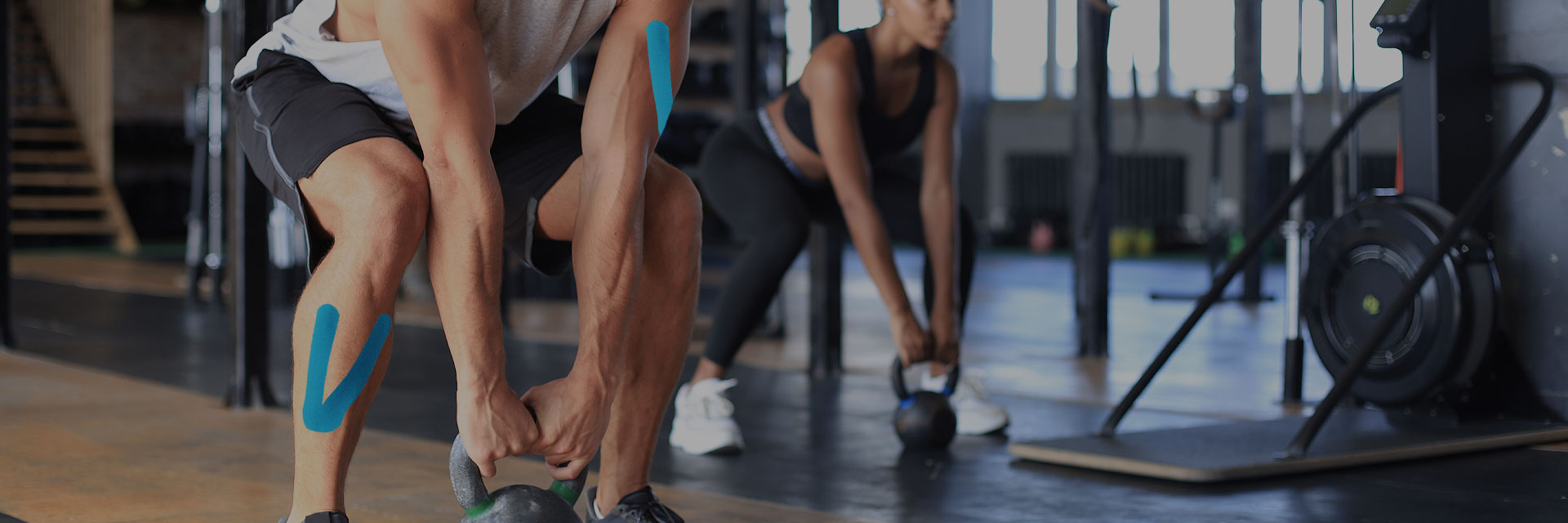
High summer temperatures, humidity, and UV exposure create unique challenges for medical adhesive materials. Whether you are a clinician, athlete, distributor, or end user, understanding how heat affects adhesive performance — and how to manage it — is critical for patient safety, wound healing outcomes, and product integrity. This guide brings together technical data, clinical best practices, and product-specific recommendations from FULUO Medical, a manufacturer of sports medical tapes, wound dressings, and adhesive roll materials since 2007.
Medical adhesive materials — including kinesiology tape, medical plaster tape, wound dressings, and adhesive roll materials — rely on pressure-sensitive adhesive (PSA) chemistry that is highly sensitive to environmental variables. Summer introduces three simultaneous stressors:
Together, these factors can cause adhesive failure, skin irritation, or compromised sterile barriers — issues that are largely preventable with the right precautions.
The table below summarizes how the main categories of medical adhesive roll materials and finished products respond to summer conditions, and what measures help maintain performance.
| Product Type | Primary Adhesive | Heat Sensitivity | Sweat Resistance | Key Summer Precaution |
|---|---|---|---|---|
| Kinesiology Tape | Acrylic (wave-pattern) | Moderate | Good (wave coating) | Apply to dry, clean skin; activate adhesive by rubbing |
| Waterproof Kinesiology Tape | Acrylic (full-coat) | Low–Moderate | Excellent | Ideal for outdoor sports; trim edges to prevent peeling |
| Rigid Sports Tape | Zinc oxide | Low | Moderate | Check for skin maceration; remove after activity |
| PU Film Adhesive Rolls | Acrylic | Low | Very Good | Ensure no tension during application; avoid direct sun storage |
| Non-woven Adhesive Rolls | Acrylic / Hot-melt | Moderate–High | Fair | Change more frequently in high-humidity environments |
| Elastic Adhesive Fabric Rolls | Natural rubber | Moderate | Moderate | Allow skin to breathe; inspect for latex sensitivity signs |
| Foam Wound Dressing | Silicone / Acrylic border | Low | Good | Increase change frequency; monitor for periwound maceration |
| PU Film Wound Dressing | Acrylic | Low | Excellent | Check wound exudate level; ensure complete seal |
Skin preparation is always important when applying medical plaster tape or any adhesive product, but in summer it becomes the single most impactful variable. Perspiration, sunscreen, insect repellent, and tanning oils all create a barrier film on the skin surface that dramatically reduces initial tack and long-term adhesion.
For patients wearing wound dressings outdoors in summer, apply a light skin barrier film around the dressing perimeter. This creates an occlusive seal that resists both sweat infiltration and mechanical edge-lifting caused by clothing friction.
Standard application methods may need modification in summer. FULUO Medical's engineering team notes the following technique adjustments based on common failure modes observed across different application environments:
| Failure Mode | Root Cause in Summer | Technique Adjustment |
|---|---|---|
| Edge lifting within 1–2 hours | Sweat undermines adhesive at perimeter | Round all corners with scissors; apply firm pressure to edges for 30 sec |
| Complete delamination during exercise | Skin temperature exceeds adhesive softening point | Switch to waterproof or acrylic-based tape rated for sports use |
| Skin irritation / contact dermatitis | Sweat trapped under occlusive adhesive, heat rash | Use breathable ventilate kinesiology tape or non-woven substrates |
| Adhesive residue on skin | High temperatures cause adhesive to flow into skin texture | Remove tape slowly at 180° angle; use mineral oil or medical adhesive remover |
| Wound dressing leakage | Increased exudate volume from wound in warm environment | Increase change frequency; select higher-absorbency foam dressing |
Maximum recommended wear times generally decrease in summer due to higher exudate production, sweat accumulation, and adhesive performance degradation. The table below provides general guidance; clinicians should always assess on a case-by-case basis.
| Product | Standard Wear Duration | Recommended Summer Limit | Key Inspection Trigger |
|---|---|---|---|
| Kinesiology Tape (standard) | 3–5 days | 2–3 days | Edge lifting, skin redness, itching |
| Waterproof Kinesiology Tape | 4–5 days | 3–4 days | Odor, skin discoloration under tape |
| Foam Wound Dressing | 3–7 days | 2–4 days | Strikethrough, periwound maceration |
| PU Film / Transparent Dressing | 5–7 days | 3–5 days | Fluid pooling under film, edge peel |
| Non-woven Medical Tape (fixation) | Daily or per procedure | Every 12–24 hours in high-sweat areas | Visible moisture, loosening |
| Rigid Sports Tape (zinc oxide) | Per activity session | Remove immediately post-activity | Skin maceration, blistering |
Improper storage is one of the most overlooked causes of summer adhesive failure. Many end users and distributors store tape and dressing products in vehicles, outdoor first-aid kits, or non-climate-controlled facilities — environments that can reach 60–80 °C (140–176 °F) in direct summer sun.
If a product has been exposed to temperatures above 40 °C for extended periods, inspect it for adhesive bleed-through (visible staining on the backing), reduced initial tack, or discoloration before use. Heat-compromised adhesives may fail to adhere reliably and can cause skin reactions. When in doubt, discard and replace from climate-controlled stock.
Summer amplifies the risk of several skin complications associated with medical adhesive use. Clinicians and users should monitor for the following conditions, particularly in older patients, athletes, and individuals with sensitive skin.
| Condition | Appearance | Likely Cause | Action |
|---|---|---|---|
| Maceration | White, soft, wrinkled skin | Sweat/moisture trapped under occlusive dressing | Switch to breathable substrate; reduce wear time |
| Contact dermatitis | Red, itchy, raised rash at adhesive margins | Adhesive allergy or heat-accelerated chemical release | Remove tape; consult clinician; use hypoallergenic alternative |
| Folliculitis | Small pus-filled bumps in hair-bearing area | Hair follicle occlusion + heat + bacteria | Remove tape; keep area clean; review shaving protocol |
| MARSI (Medical Adhesive-Related Skin Injury) | Skin tear, blister, or erosion on removal | Forceful removal; weakened summer skin integrity | Use slow 180° removal; moisten tape with warm water first |
| Heat rash under tape | Tiny red bumps, tingling sensation | Occluded sweat glands under non-breathable backing | Allow skin rest period; switch to perforated or woven backing |
FULUO Medical's ventilate kinesiology tape range is specifically engineered with a breathable cotton or nylon fabric backing to address summer skin health concerns, while PE foam electrode rolls offer a gentle, low-trauma adhesive interface for electrode fixation in hot climates.
Summer is peak season for outdoor sports, and sports medicine applications represent one of the most demanding environments for adhesive performance. Athletes competing outdoors face combinations of sweat, heat, abrasion, and repeated mechanical stress that test every aspect of tape system performance.
For swimmers and water sports athletes, apply waterproof kinesiology tape at least 30 minutes before entering the water to allow the adhesive to fully bond to the skin. Pat skin dry after exiting the water rather than rubbing, which can lift tape edges.
Open wounds and post-surgical sites require careful management in summer. Warm, humid conditions accelerate bacterial growth and increase wound exudate production, placing greater demands on wound dressing capacity and adhesive integrity.
FULUO Medical's wound dressing range — including non-woven wound dressings and foam wound dressings — is designed to manage exudate effectively while maintaining a moist wound environment. In summer, practitioners should consider the following:
Founded in 2007 and headquartered in Zhejiang, China, Jiaxing FULUO Medical Supplies Co., Ltd. operates a 20,000 m² manufacturing facility with an annual output exceeding USD 18 million. With over 160 employees and more than 100 product variants across medical roll materials and finished products, FULUO is one of China's earliest kinesiology tape manufacturers and holds approximately 30% market share in Japan.
FULUO's quality control team conducts comprehensive testing — including peel adhesion, tack, shear resistance, and moisture vapor transmission rate (MVTR) — ensuring that products meet the demands of both everyday clinical use and extreme summer conditions. The company holds multiple international system certifications and offers full OEM customization services for brand owners and distributors worldwide.
Explore the full product portfolio:
Contact FULUO Medical's expert team for product recommendations, OEM manufacturing, and technical support tailored to your market's climate requirements.
Get in Touch with FULUO


